
Specialist therapy for avoidant and restrictive eating, helping you build greater confidence, flexibility and variety around food.
Cognitive Behavioural Therapy for ARFID, usually shortened to CBT-AR, is a structured psychological therapy developed specifically for Avoidant Restrictive Food Intake Disorder (ARFID). It is designed for people whose eating is limited by sensory sensitivities, a fear of aversive consequences such as vomiting or choking, a low level of interest in food or eating, or a combination of these experiences.
Unlike eating disorders that are primarily driven by concerns about weight or body shape, ARFID involves avoiding or restricting food for other reasons. This can affect nutritional health, growth, energy, social activities and everyday quality of life.
At Food For Thought Therapy, CBT-AR is never about forcing you to eat foods before you feel ready or dismissing your reactions as simply being “fussy”. Therapy begins by understanding what makes eating difficult for you and how avoidance may have developed or become reinforced over time. From there, we work collaboratively to expand your eating in a gradual, purposeful and manageable way.
What Is CBT-AR?
CBT-AR is a flexible, modular form of Cognitive Behavioural Therapy developed to address the different processes that can maintain ARFID. It usually includes psychoeducation, self-monitoring, establishing a more regular pattern of eating and gradual exposure to foods, sensations or situations that have become difficult. Treatment is adapted according to whether restriction is primarily linked to sensory sensitivity, fear of aversive consequences, low interest in eating or a combination of these.
The aim is not to make you enjoy every food or remove genuine sensory differences. Instead, therapy focuses on reducing the restrictions that interfere with your health, independence or quality of life.
Depending on your needs, this might involve increasing the amount you are able to eat, adding greater nutritional variety, reducing fear around meals, or making everyday situations such as eating with others, travelling or attending appointments feel more manageable.
CBT-AR helps us understand not only which foods feel difficult, but also what your mind and body have learned to expect from eating. That shared understanding gives us a clearer starting point for change.
How I Use CBT-AR
ARFID can look very different from one person to another. Someone who avoids food because of sensory sensitivities may need a different focus from someone who fears vomiting or choking. A person with low appetite may need a different treatment plan again.
That is why therapy begins with a careful assessment of your eating, physical health, sensory experiences, fears, routines and the impact ARFID is having on your life.
Together, we will create a map of your experiences. We will explore what may have contributed to the restriction, what continues to reinforce it and which evidence-based strategies are most likely to help.
Depending on your needs, therapy may involve gradually increasing food volume, exploring new foods, developing greater awareness of hunger and fullness cues, reducing avoidance, or working directly with feared sensations and consequences. Exposure work is planned collaboratively and graded carefully. It is not about surprising you, taking away safe foods or forcing you beyond what has been agreed.
Where appropriate, we may also incorporate elements of Acceptance and Commitment Therapy, Compassion Focused Therapy or broader CBT approaches to support anxiety, shame, perfectionism or other difficulties that affect eating. These approaches support the main CBT-AR treatment plan rather than replacing its specialist focus.
What Happens During CBT-AR?
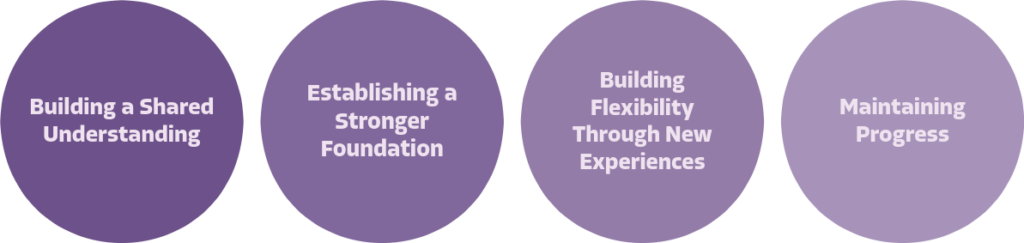
How I Think About ARFID Recovery
ARFID is often misunderstood. People may be told that they are simply picky, difficult or unwilling to try. This can create shame and make eating feel even more pressured. I approach ARFID differently.
Sensory reactions, fear and low appetite are real experiences. They are not character flaws, and they cannot usually be changed by pressure or reassurance alone. At the same time, avoidance can strengthen fear and restriction over time, making the range of manageable foods increasingly narrow.
Therapy therefore holds two ideas together: your experience deserves to be understood and respected, and it may still be possible to build greater flexibility through carefully planned new learning.
Recovery does not require you to become a completely different eater. It may mean being able to meet your nutritional needs more consistently, tolerate a wider range of foods, feel safer around eating or take part in more of the activities that matter to you.
Progress can be gradual, particularly where sensory sensitivities, neurodivergence, previous distressing experiences or physical health concerns are involved. The pace should be purposeful without becoming punitive.
Neurodiversity-Affirming ARFID Therapy
ARFID frequently intersects with autism, ADHD, sensory processing differences, interoception and executive functioning. For some people, eating difficulties may be influenced by sensory overload, difficulty recognising hunger cues, reliance on predictability, challenges with planning and food preparation, or the exhaustion associated with masking.
A neurodiversity-affirming approach does not treat these differences as behaviours to eliminate. Instead, we identify which adaptations genuinely support you and which restrictions are limiting your nutrition, health or quality of life.
Therapy might include maintaining appropriate safe foods, adapting the sensory environment, using more accessible planning tools, building predictable routines or changing how exposure tasks are introduced. The purpose is not to make you appear more neurotypical. It is to help you access adequate nutrition and greater freedom in a way that respects how your brain and body work.
My practice is also LGBTQIA+ affirming and recognises that identity, relationships, culture, family experiences and access to affirming healthcare may all influence the experience of eating and recovery.
What Can CBT-AR Help With?
CBT-AR is specifically designed for ARFID and related patterns of avoidant or restrictive eating. Within my practice, it may be appropriate for people experiencing:
- Avoidant/Restrictive Food Intake Disorder (ARFID)
- Sensory-Based Food Avoidance
- Fear of Choking or Vomiting While Eating
- Limited Food Variety
- Nutritional Difficulties
- Anxiety Around Food and Eating
- Eating Difficulties Associated With Autism or ADHD
The Evidence Behind CBT-AR
CBT-AR was developed specifically for people experiencing ARFID and is designed for children aged 10 and over, adolescents and adults. It usually takes place over around 20–30 sessions, although some people may benefit from longer treatment depending on their individual needs.
Research so far is encouraging, suggesting that CBT-AR can help people increase the range and amount of food they are able to eat, reduce anxiety and avoidance around eating, and improve nutrition and weight where this is needed.
Importantly, CBT-AR doesn’t assume that everyone with ARFID experiences food in the same way. Treatment looks at what is making eating difficult for that particular person, whether this is sensory sensitivity, fear of choking or vomiting, limited interest in food or eating, or a combination of these experiences.
CBT-AR is a relatively new therapy compared with some more established CBT approaches, so research is continuing to grow. What we know so far is promising, and therapy remains guided by each person’s needs, health and the changes that would make a meaningful difference to their life.
Food For Thought
Recovery doesn’t mean having to eat everything or becoming someone who enjoys every food. What might change if fear, distress or avoidance had less say in what, where and how you are able to eat?
A Note from Agi
ARFID is one of the areas where compassion and evidence need to work particularly closely together. Pressure, judgement or feeling misunderstood can make eating even harder, but organising life around avoiding every difficult food, sensation or feared experience can also allow restriction to become increasingly limiting.
My role isn’t to dismiss sensory experiences, minimise genuine fears or push people towards foods or experiences they haven’t agreed to. Instead, we work together to understand what is making eating difficult and what function avoidance is serving, before creating carefully planned opportunities for new learning at a pace that is purposeful and collaborative.
Progress can look very different from one person to another. For some, it might mean gradually expanding the range of foods they can eat. For others, it may mean eating enough more consistently, meeting nutritional needs, managing meals away from home, reducing dependence on particular foods or feeling less frightened of experiences such as choking, vomiting or uncomfortable bodily sensations.
Importantly, the goal isn’t to erase genuine preferences, sensory needs or neurodivergent differences, or to measure recovery against somebody else’s idea of “normal” eating. The aim is to create greater choice, flexibility and confidence around food, with goals shaped by health, individual needs and the life someone wants to be able to live.
Frequently Asked Questions
Is CBT-AR the same as CBT-E?
No. CBT-E was developed for eating disorders such as anorexia nervosa, bulimia nervosa, binge eating disorder and OSFED, particularly where concerns about weight, shape or control over eating are central.
CBT-AR was developed specifically for ARFID, where avoidance or restriction is usually linked to sensory sensitivity, fear of aversive consequences or limited interest in food rather than concerns about body weight or shape.
During assessment, we will explore your experiences and decide which approach is most appropriate.
Do I need a formal ARFID diagnosis?
No. You do not need to have received a formal diagnosis before contacting me.
An initial assessment helps us understand your eating, nutritional needs, sensory experiences, fears and goals. We can then consider whether CBT-AR appears suitable or whether you would benefit from a different form or level of supportYou do not need to fit neatly into one diagnosis for therapy to be helpful. Many people seek support because they recognise that food, eating or body image has begun to take up more space in their lives than they would like.
Is CBT-AR only for children?
No. CBT-AR was designed for children aged ten and over, adolescents and adults. The core treatment principles are similar, but involvement from parents or carers may be recommended when working with younger people.
Will I be forced to eat foods I cannot tolerate?
No. Exposure is collaborative, planned and gradual.
Therapy will involve approaching some foods, sensations or situations that currently feel difficult because new learning generally requires experience rather than discussion alone. However, tasks are agreed together and adapted to your goals, sensory needs and level of readiness.
The aim is not to remove every preferred or safe food. It is to reduce restrictions that are affecting your health or quality of life.
What if I have a fear of vomiting or choking?
CBT-AR can specifically address fear of aversive consequences, including vomiting and choking. We will explore how the fear developed, what keeps it going and how avoidance may be reinforcing it.
Treatment may include cognitive work, behavioural experiments and carefully graded exposure to foods, situations or physical sensations. Where emetophobia is the primary difficulty rather than ARFID, standard CBT or another evidence-based approach may be more appropriate.
Can CBT-AR accommodate autism or ADHD?
Yes. Therapy can be adapted to recognise sensory sensitivities, interoceptive differences, executive-functioning needs, routines and communication preferences.
A neurodiversity-affirming approach does not assume that all sensory differences need to disappear. We focus on increasing nutrition, flexibility and quality of life while respecting your neurotype.
Will I need to work with a dietitian or doctor?
Possibly. ARFID can affect weight, growth, nutritional status and physical health, so multidisciplinary support may sometimes be necessary.
Depending on your presentation, I may recommend involvement from your GP, paediatrician, dietitian or another healthcare professional. If there are significant medical or nutritional concerns, outpatient psychological therapy alone may not provide the level of care required.
How long does CBT-AR take?
CBT-AR is commonly delivered over approximately 20 to 30 sessions. The length depends on factors such as your nutritional needs, the nature of your restriction, your goals and whether weight restoration is required.
We will review progress regularly rather than assuming that everyone needs exactly the same number of sessions.
Can CBT-AR be delivered online?
Yes, depending on your age, physical health, support needs and individual circumstances. I offer online therapy across the UK alongside in-person appointments in Menai Bridge and Llandudno, North Wales.
We can discuss during assessment whether online or in-person CBT-AR is likely to be the safest and most useful format for you.
What if part of me wants more freedom around food but another part feels frightened?
That ambivalence is understandable. Avoidance may be limiting your life while also helping you feel protected from sensory discomfort, vomiting, choking, uncertainty or other feared experiences.
Therapy does not treat this conflict as stubbornness or failure. We will explore what both sides of the experience are trying to achieve and work towards change at a pace that is purposeful, collaborative and manageable.
How Do We Start?
If you are considering CBT-AR and would like to explore whether it may be the right approach for you or your child, you are welcome to book a free 15-minute discovery call or arrange an initial assessment.
Together, we will develop a shared understanding of the eating difficulties, explore your goals and consider the evidence-based or evidence-informed approaches most likely to help.
You do not need to decide for yourself whether the difficulty is ARFID, emetophobia, sensory-based avoidance or something else before getting in touch. The assessment gives us space to understand the wider picture and consider the most appropriate next step.